
Clipper Blade Sharpening — Cost Breakdown: Service ($5-15) vs DIY vs Replace [2026]
Clipper blade sharpening cost: professional service $5-15/blade vs DIY equipment. When to sharpen vs replace — real numbers from a blade manufacturer.
Every barber and groomer faces the same question: should I pay a clipper blade sharpening service, invest in equipment and do it myself, or simply replace the blade? The answer depends on your volume, budget, and how much you value your time. This guide breaks down the real numbers so you can make the smartest decision for your business.
If you need the actual sharpening technique, read our step-by-step sharpening guide first. This article focuses on the financial side: what each option truly costs when you account for equipment, labor, blade lifespan, and cutting performance.
Option 1: Professional Clipper Blade Sharpening Services
Professional sharpening services use industrial flat-lapping machines with diamond or abrasive compounds to restore both the cutter and comb to factory-sharp condition. This is the gold standard for blade restoration.
Typical Pricing (2026)
| Blade Type | Sharpening Cost | Turnaround | Notes |
|---|---|---|---|
| A5 Detachable (#10, #7F, #5F, etc.) | $5 - $8 | 3 - 7 days | Most common blade type for groomers |
| Standard Taper (Wahl, Andis) | $5 - $8 | 3 - 7 days | Fixed + moving blade set |
| T-blade / Trimmer blade | $7 - $10 | 3 - 7 days | Precision edges require more care |
| Wide Grooming blade | $8 - $12 | 5 - 10 days | Larger surface area |
| Ceramic blade | $12 - $20 | 7 - 14 days | Requires diamond-grit equipment |
| Sheep/Livestock blade | $8 - $15 | 5 - 10 days | Heavy-duty, wider teeth |
Mail-in services add $5-12 round-trip shipping. Mobile sharpeners who visit your shop typically charge a $20-30 trip fee but no shipping cost. Many offer bulk discounts: 10+ blades at $4-6 each.
Option 2: DIY Clipper Blade Sharpening
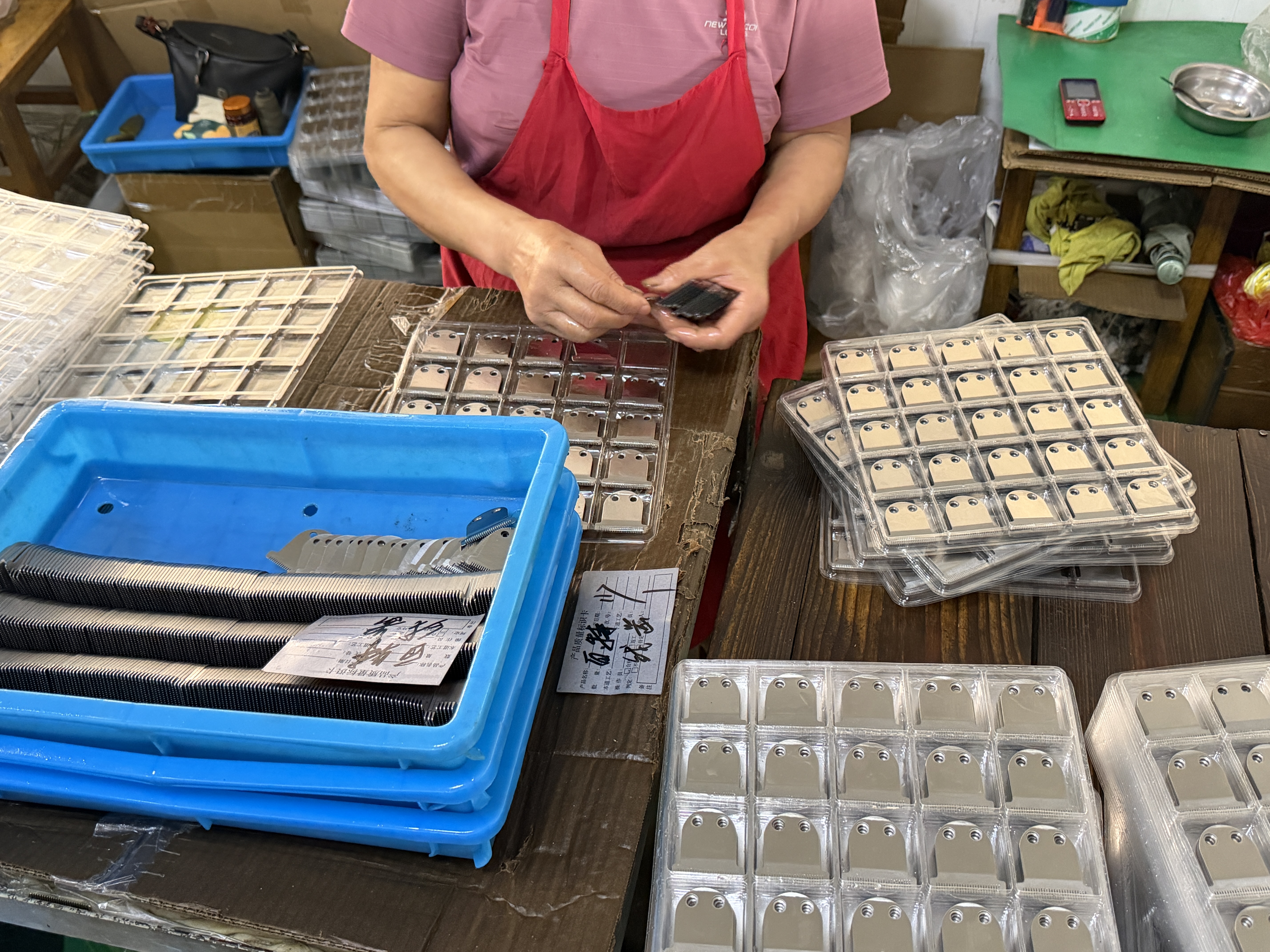
Sharpening your own blades eliminates per-blade service fees and turnaround downtime. But there is a significant upfront equipment investment.
Equipment Cost Breakdown
| Equipment | Budget Option | Professional Option | Notes |
|---|---|---|---|
| Flat lapping machine | $300 - $500 | $800 - $1,500 | 14" disk, variable speed essential |
| Blade holder / guide | $30 - $60 | $80 - $150 | Angle control for consistent results |
| Abrasive compounds (set) | $20 - $40 | $40 - $80 | Coarse + fine, lasts ~200 sharpenings |
| Magnifying loupe (10x) | $15 - $25 | $40 - $80 | Essential for edge inspection |
| Cleaning solution + oil | $15 - $25 | $15 - $25 | Blade wash, lubricant |
| Total Setup | $380 - $650 | $975 - $1,835 | One-time investment |
Break-Even Analysis
At $7 per professional sharpening, a $500 setup pays for itself after 71 sharpenings. If you sharpen 10 blades per month, that is a 7-month payback period. A busy grooming salon sharpening 20+ blades per month breaks even in under 4 months.
But factor in your time: each blade takes 8-15 minutes for a skilled operator. At 10 blades per session, that is 1.5-2.5 hours of labor. If your billable time is worth $50/hour, the DIY "savings" shrink considerably.
DIY Quality Considerations
The biggest risk with DIY sharpening is inconsistency. Professional sharpeners process thousands of blades per year and develop a precision feel for pressure, angle, and compound selection. A beginner may:
- Remove too much material, shortening blade lifespan
- Create uneven tooth heights, causing pulling and lines
- Miss micro-chips that a trained eye would catch
- Over-lap one side, creating blade imbalance and excess vibration
For the full DIY technique, see our complete sharpening tutorial.
Option 3: Replace the Blade
Sometimes the most cost-effective option is a brand-new blade. Modern manufacturing has driven blade prices down significantly, especially from direct-from-factory sources.
Replacement Cost vs Sharpening Math
| Scenario | Sharpen (4 cycles) | Replace | Winner |
|---|---|---|---|
| Premium A5 blade ($25-40 retail) | $28 - $48 (4 x $7-12) | $25 - $40 | Replace at cycle 3-4 |
| OEM A5 blade ($8-15 wholesale) | $28 - $48 | $8 - $15 | Replace at cycle 1-2 |
| Ceramic blade ($30-50 retail) | $48 - $80 (4 x $12-20) | $30 - $50 | Replace at cycle 2-3 |
| OEM ceramic blade ($12-25 wholesale) | $48 - $80 | $12 - $25 | Always replace |
The Hidden Cost Most People Ignore: Cutting Performance
Even the best sharpening cannot restore a blade to 100% of its original factory-edge performance. Each sharpening cycle removes 0.02-0.05mm of material from the tooth tips. After 3-4 cycles:
- Total material removed: 0.06-0.20mm per tooth
- Tooth height reduction: visibly shorter under magnification
- Cutting efficiency: approximately 80-85% of factory-new performance
- Heat generation: 15-25% more friction than a new blade
- Blade tension: spring may not hold as firmly due to wear on hinge surfaces
For professionals who depend on consistent cut quality, replacing at cycle 3-4 is almost always the right call. The $8-15 cost of a new OEM blade is cheap insurance against a bad cut that costs you a client.
Decision Matrix: Which Option Is Right for You?
| Your Situation | Best Option | Why |
|---|---|---|
| Home user, 1-2 blades, monthly use | Professional service | $5-8 per sharpening, no equipment investment needed |
| Small shop, 5-10 blades, weekly use | Service + Replace at cycle 3 | Best balance of cost and quality |
| Busy groomer, 15+ blades, daily use | DIY + wholesale replacement | Volume justifies equipment; replace after 2-3 cycles |
| Distributor / multi-location chain | Wholesale replacement only | Buy OEM blades at $8-15, cheaper than one sharpening |
| Mobile groomer, limited workspace | Mail-in service + backup set | No space for lapping equipment |
How to Extend Blade Life Between Sharpenings
Regardless of which option you choose, proper maintenance dramatically extends the interval between sharpenings:
- Oil every use: 3-4 drops along the cutting rail before and after each session. See our complete oil guide.
- Clean immediately: Brush hair from teeth after every client. Use blade wash for deep cleaning weekly. See our maintenance guide.
- Cool down: Swap to a backup blade when the current one feels warm. Hot blades dull 3x faster.
- Store properly: Dry, oiled, in a protective case. Never dump blades loose in a drawer.
- Use the right blade for the job: Using a finish-cut blade on a matted coat forces it through material it was not designed for, dulling teeth prematurely. Use skip-tooth blades for rough pre-clipping.
Why MIM Blades Last Longer Between Sharpenings
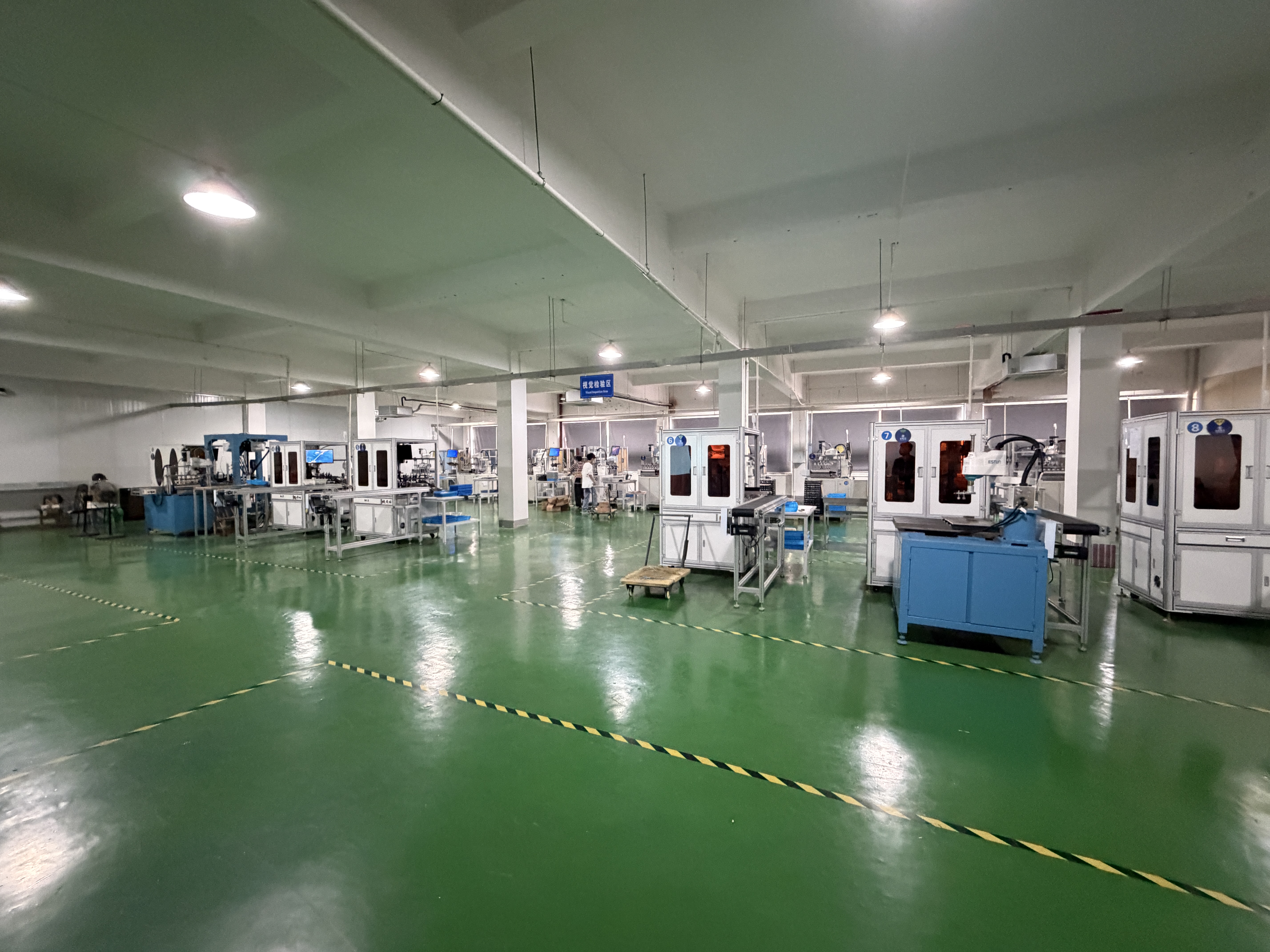
Blade longevity depends heavily on manufacturing method. Traditional stamped blades achieve a hardness of HRC 54-58. Blades made with Metal Injection Molding (MIM) reach HRC 60-62 — a difference that translates to 40-50% longer edge retention.
At SUMTHIN, every A5 blade and taper blade we produce uses MIM powder metallurgy. This means:
- Fewer sharpenings needed per blade lifespan (2-3 cycles vs 4-5 for stamped)
- More consistent hardness across the entire tooth line
- Better performance after sharpening — harder steel retains a finer edge
For groomers and barbers who want the best cost-per-cut ratio, starting with a harder blade reduces total spending on both sharpening and replacement over time.
Frequently Asked Questions
How much does it cost to get clipper blades sharpened?
Professional clipper blade sharpening costs $5-15 per blade depending on type: A5 and taper blades run $5-8, trimmer blades $7-10, ceramic blades $12-20, and wide grooming blades $8-12. Mobile sharpeners charge a $20-30 trip fee. Mail-in services add $5-12 shipping. Bulk discounts are common for 10+ blades.
How many times can a clipper blade be sharpened?
Most steel clipper blades can be sharpened 3-5 times before tooth height is too reduced for effective cutting. MIM powder metallurgy blades (HRC 60-62) hold their edge longer, meaning each sharpening interval is extended, but the total number of sharpenings is similar. Ceramic blades need sharpening 3-5x less frequently but are limited to 2-3 diamond-grit sharpenings.
Is it worth buying a clipper blade sharpening machine?
If you sharpen more than 10 blades per month consistently, a flat-lapping machine ($300-500 budget, $800-1,500 professional) pays for itself within 4-7 months. For lower volumes, professional sharpening services or direct replacement with OEM blades at wholesale pricing is more cost-effective.
Can I sharpen clipper blades with sandpaper?
Sandpaper on a flat glass surface can work for emergency touch-ups. Use 1500-2000 grit wet/dry sandpaper, lay flat on glass, and push the blade away from you with light, even pressure for 10-15 strokes. This removes some burrs and restores limited cutting ability. It will not achieve the same results as flat lapping and should not be relied on as a primary sharpening method.
Should groomers sharpen their own blades or pay for a service?
It depends on volume. Solo groomers with 5-10 blades should use professional services ($5-8 per blade, no equipment investment). Busy grooming salons processing 8+ dogs daily with 15+ blades in rotation benefit from owning a lapping machine — the break-even is 4-7 months. All groomers should consider wholesale blade replacement as an alternative or complement to sharpening.
Related Guides
- How to Sharpen Clipper Blades — Step-by-step DIY technique with flat lapping and whetstone methods.
- Clipper Blade Oil Guide — Proper oiling extends blade life and reduces sharpening frequency.
- Blade Maintenance Guide — Complete cleaning and storage protocol for maximum blade lifespan.
- Shop A5 Replacement Blades — Factory-direct MIM blades, wholesale pricing available.