
Clipper Blade Materials: Ceramic vs Stainless Steel vs Carbon Steel Compared
Ceramic, stainless steel, and carbon steel clipper blades compared by a manufacturer with 30+ years of metallurgy data. Edge retention, heat resistance, rust, sharpening, price, and which material fits your cutting workflow.
The material your clipper blade is made from determines how sharp it gets, how long it stays sharp, how hot it runs, whether it rusts, and how much it costs to maintain. Yet most blade packaging simply says "stainless steel" or "premium steel" without specifying the actual alloy — leaving professionals to learn the differences through expensive trial and error.
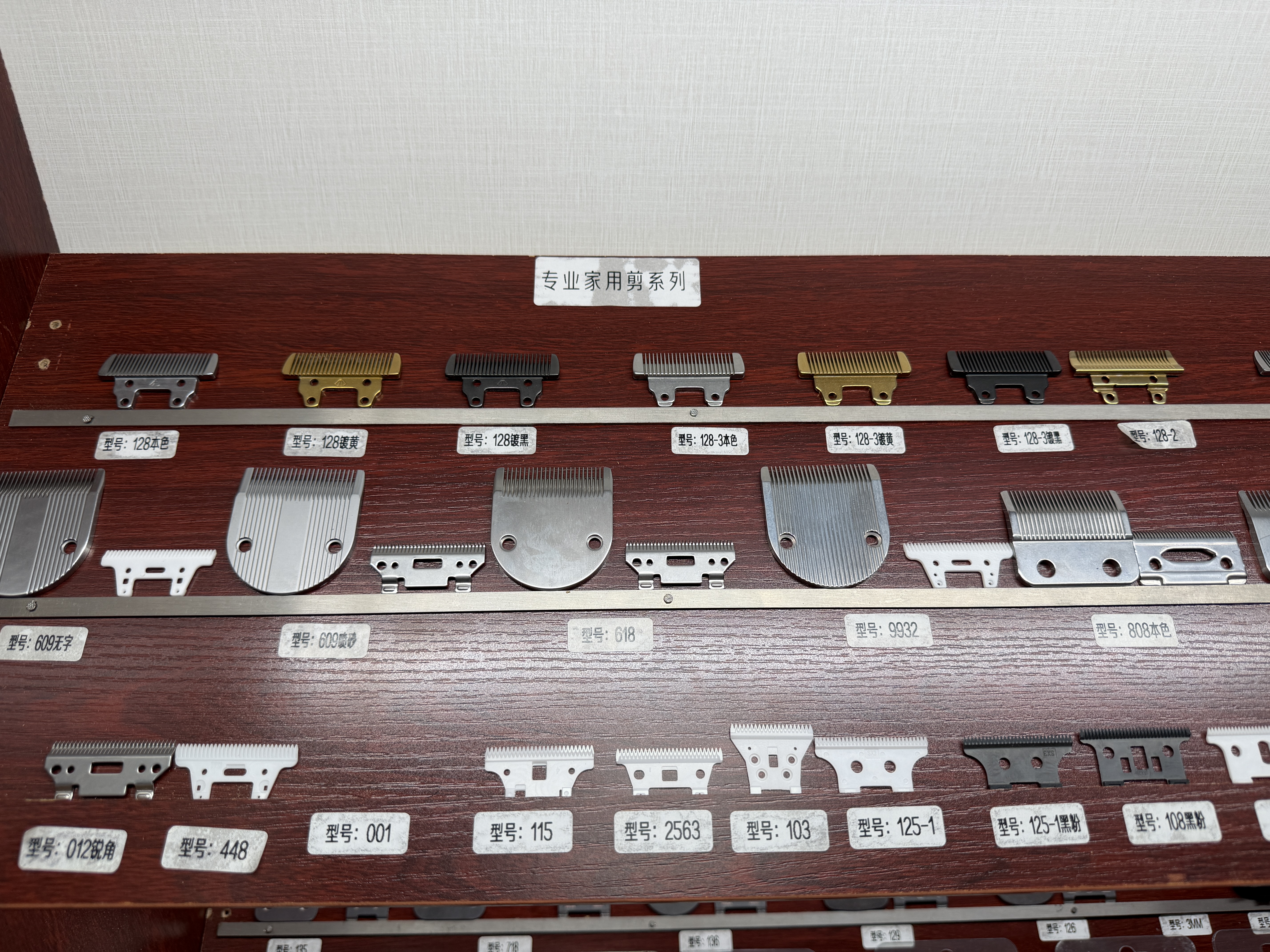
This guide compares the three blade material families — ceramic (zirconia), stainless steel (440C/420), and high-carbon steel — using factory lab data from our 30+ years of blade manufacturing. We test every production batch for Rockwell hardness, edge retention, heat generation, and corrosion resistance, and the numbers below come directly from those tests.
Quick Answer: Which Blade Material Is Best?
There is no single "best" — each material excels in different situations:
- Ceramic: Best for high-volume professionals who need cool-running blades and minimal sharpening. Higher upfront cost, but lowest total cost of ownership over 12 months.
- Stainless steel (440C): Best all-around choice for most professionals. Good edge retention, corrosion resistant, easy to sharpen. The industry workhorse.
- High-carbon steel: Best for professionals who demand the absolute sharpest edge and are willing to oil after every use. Superior cutting feel, but rusts without maintenance.
Complete Material Comparison Table
| Property | Ceramic (Zirconia) | Stainless Steel (440C) | High-Carbon Steel |
|---|---|---|---|
| Hardness (Rockwell) | HRC 75+ (Vickers ~1300) | HRC 58-62 | HRC 60-64 |
| Edge retention | 3-5x longer than steel | Good (300-500 haircuts) | Very good (400-600 haircuts) |
| Heat generation (30 min) | 38°C (100°F) | 52°C (126°F) | 55°C (131°F) |
| Corrosion resistance | Immune (non-metallic) | Excellent | Poor — rusts without oiling |
| Sharpening method | Diamond-grit lapping only | Standard lapping, whetstone | Standard lapping, whetstone |
| Sharpening frequency | Every 1,500-2,000 cuts | Every 300-500 cuts | Every 400-600 cuts |
| Drop resistance | Brittle — can chip or crack | Excellent | Excellent |
| Weight | 30-40% lighter | Standard | Standard |
| OEM price (per blade) | $8-15 | $4-8 | $3-7 |
| Retail price range | $35-65 | $18-40 | $15-35 |
| Best application | High-volume grooming, sensitive skin | General professional use | Precision cutting, barber fades |
Test conditions: All blades tested on the same clipper model (A5 detachable), cutting medium-density synthetic fiber at 3,600 RPM. Temperature measured with infrared thermometer at the cutting edge after 30 minutes of continuous operation. All blades oiled identically before testing.
Ceramic Blades: The Science Behind Cool Cutting
Ceramic clipper blades are made from yttria-stabilized zirconia (ZrO2), a technical ceramic originally developed for aerospace and medical implant applications. In blade manufacturing, zirconia powder is pressed into shape under 200+ MPa pressure, then sintered at 1,400-1,500°C to achieve near-theoretical density.
The result is a cutting edge with hardness exceeding HRC 75 (compared to HRC 58-62 for the best steel blades). This extreme hardness is why ceramic edges last 3-5x longer than steel before needing sharpening. But hardness comes with a trade-off: brittleness. Drop a ceramic blade on a tile floor and it may chip or fracture. Steel blades survive the same drop without damage.
Why Ceramic Runs Cooler
The heat advantage of ceramic is not marketing — it is physics. Two properties matter:
- Lower friction coefficient (0.1-0.2 vs 0.3-0.5 for steel): Less friction means less heat generated at the cutting interface.
- Lower thermal conductivity (2-3 W/mK vs 24.2 W/mK for 440C steel): Even the heat that is generated transfers more slowly to the comb and housing, keeping surface temperatures lower.
In our factory testing, a ceramic cutter paired with a steel stationary blade reached 38°C after 30 minutes of continuous cutting. An identical all-steel blade reached 52°C — a 14°C difference that is immediately noticeable on skin. For pet groomers working 1-3 hour sessions on sensitive animals, this difference eliminates blade burns entirely.
Stainless Steel (440C): The Industry Workhorse
The majority of professional clipper blades worldwide are made from 440C stainless steel — a high-chromium martensitic stainless steel with 16-18% chromium and 0.95-1.20% carbon content (per ASTM A276). After hardening and tempering, 440C achieves HRC 58-62, which provides an excellent balance of edge sharpness, edge retention, and corrosion resistance.
Why 440C Dominates the Market
- Corrosion resistance: The 16-18% chromium content forms a passive oxide layer that protects against rust from water, sweat, and cleaning solutions. Unlike carbon steel, you can clean a 440C blade with water and it will not rust — though oiling still extends blade life.
- Easy sharpening: 440C can be sharpened with standard aluminum oxide or silicon carbide lapping compounds. Any professional blade sharpening service can handle 440C. Sharpening typically costs $5-12 per blade and takes 10-15 minutes.
- Predictable manufacturing: 440C has well-understood heat treatment parameters. At SUMTHIN, we use MIM (Metal Injection Molding) to produce 440C blades with ±0.05mm dimensional tolerance and consistent HRC 60-62 hardness across every blade in a batch.
The 440C vs 420 Steel Difference
Budget blades often use 420 stainless steel instead of 440C. The difference matters:
| Property | 440C (Professional) | 420 (Budget) |
|---|---|---|
| Carbon content | 0.95-1.20% | 0.15-0.40% |
| Achievable hardness | HRC 58-62 | HRC 50-55 |
| Edge retention | 300-500 cuts before sharpening | 100-200 cuts before sharpening |
| Price difference | Baseline | 20-30% cheaper |
The 20-30% upfront savings on 420 steel disappears quickly when you sharpen 2-3x more often. For any professional application, 440C is the correct specification. For more detail on all steel grades, see our clipper blade steel grades guide.
High-Carbon Steel: Maximum Sharpness, Maximum Maintenance
High-carbon steel (typically 1095 or W1 tool steel with 0.90-1.10% carbon) achieves the sharpest edge of any blade material. Professional barbers who prize cutting feel above all else — the way a blade glides through hair with zero resistance — often swear by carbon steel.
Why Carbon Steel Cuts Differently
The higher carbon content (compared to stainless steel) allows carbon steel to be hardened to HRC 60-64 while maintaining a finer grain structure. This finer grain translates to a thinner, more acute edge that cuts with less resistance. Many barbers describe the feel as "buttery" compared to stainless steel.
Carbon steel also responds better to traditional hand sharpening on whetstones. Experienced sharpeners can restore a carbon steel blade to factory-level sharpness more easily than 440C, because carbon steel removes material more predictably during the sharpening process.
The Rust Problem
The trade-off is corrosion. Carbon steel contains minimal chromium (typically under 1%), which means no passive oxide layer to protect against moisture. Leave a carbon steel blade on a wet counter for 30 minutes and surface rust appears. Sweat from a client's scalp — which contains salt and organic acids — accelerates corrosion during use.
Carbon steel blade maintenance is non-negotiable:
- Wipe and oil after every single client (not every few clients — every one)
- Never store without a light oil coating
- Keep blades in a moisture-proof case or pouch
- Clean with blade wash, then dry immediately — never leave wet
- Check for rust spots weekly and address immediately (see our rust removal guide)
Total Cost of Ownership: 12-Month Comparison
Upfront price is misleading. Here is what each blade material actually costs over 12 months of professional use (5 days/week, 8+ clients/day):
| Cost Factor | Ceramic | 440C Stainless | Carbon Steel |
|---|---|---|---|
| Blade purchase (2 blades) | $90-130 | $36-80 | $30-70 |
| Sharpenings per year | 1-2x | 4-6x | 3-5x |
| Sharpening cost/year | $15-30 (diamond) | $40-72 | $30-60 |
| Replacement blades | 0 (if not dropped) | 0-1 | 0-1 (rust damage) |
| Coolant spray | $0 (not needed) | $40-80 | $50-100 |
| Oil consumption | Standard | Standard | 2x standard |
| Estimated annual total | $105-160 | $116-232 | $110-230 |
Ceramic blades cost more upfront but break even by month 4-5 through reduced sharpening and zero coolant spray costs. Over a full year, total cost of ownership is comparable or lower than steel — while delivering better performance.
Which Material for Which Application?
For Barbers and Hairstylists
Recommended: 440C stainless steel for most professionals; carbon steel for experienced barbers who prioritize cutting feel and maintain their tools religiously. Consider ceramic T-blades and trimmer blades for lining and detail work, where the cooler running temperature prevents irritation on the neckline and around the ears.
For Pet Groomers
Recommended: Ceramic for busy grooming shops doing 8+ dogs per day. Pet grooming sessions run 1-3 hours per animal — far longer than a human haircut. Steel blades reaching 52°C+ can burn sensitive pet skin, especially on elderly dogs, cats, and thin-coated breeds. Ceramic's 38°C operating temperature eliminates blade burns entirely. See our ceramic blade pet grooming guide for breed-specific recommendations.
For Livestock and Equine
Recommended: 440C stainless steel A5 blades. Livestock clipping involves grit, manure, and outdoor conditions that make carbon steel's rust susceptibility a liability. Ceramic's brittle nature is also a risk when clipping around bony areas (fetlocks, hocks). Stainless steel's combination of durability and corrosion resistance makes it the most practical choice. Browse our equine and livestock blade range.
For OEM Brands Building a Product Line
If you are developing your own blade brand, the material choice affects your market positioning:
- Entry-level line: 440C stainless steel — the safest choice for customer satisfaction
- Premium line: Ceramic moving blade + steel comb — justifies 2-3x retail pricing
- Professional/barber line: Offer both 440C and carbon steel options — let the market decide
Our OEM manufacturing service produces all three materials with MOQ as low as 500 pieces per SKU. See the OEM sourcing guide for the full process.
How Manufacturing Process Affects Material Performance
The same material can produce vastly different blade quality depending on the manufacturing process. This is where many buyers get confused — they compare "440C vs 440C" and get inconsistent results because the processing was different.
MIM (Metal Injection Molding) vs Stamping
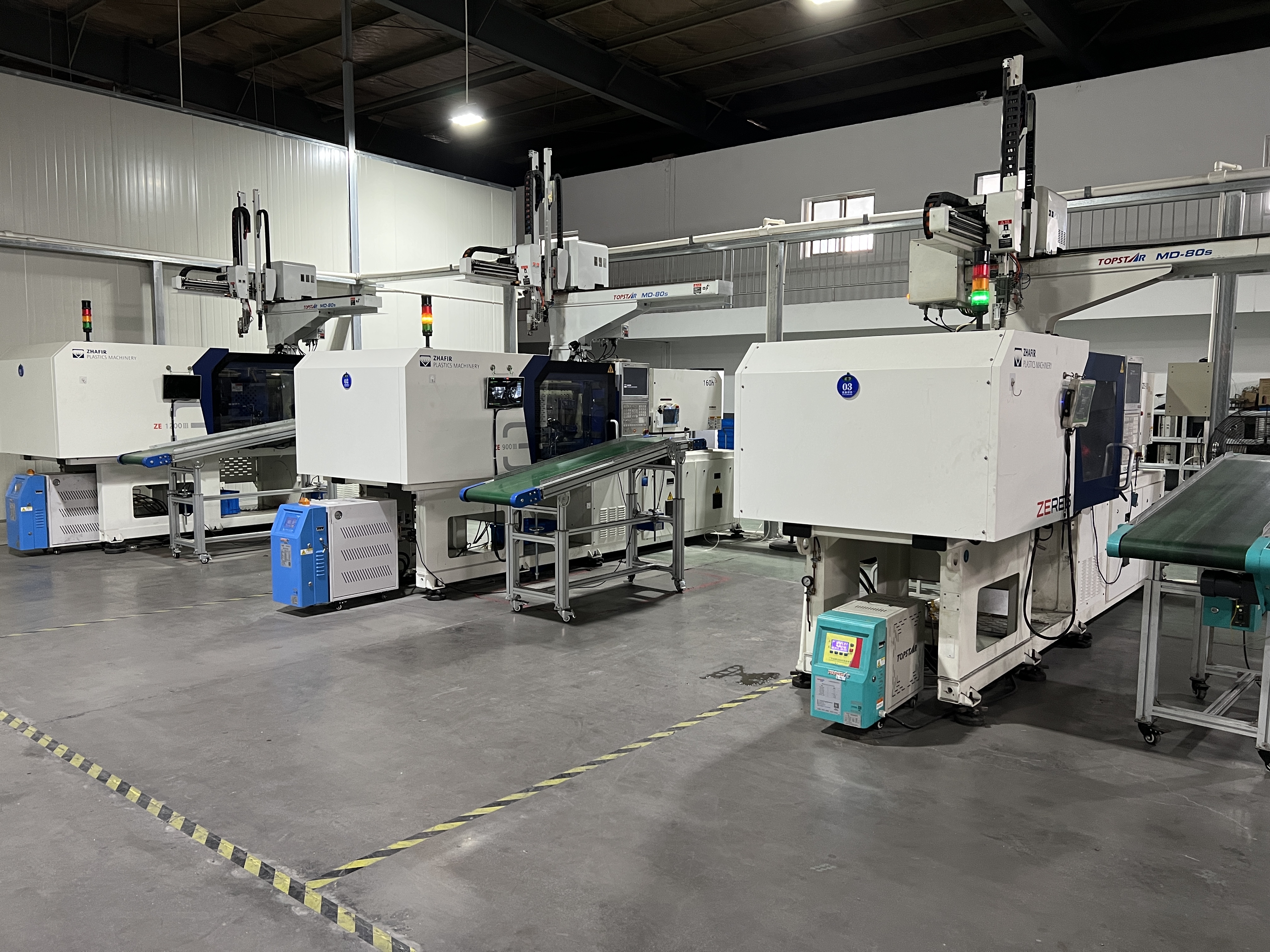
At SUMTHIN, we manufacture steel blades using MIM powder metallurgy rather than traditional stamping. The difference:
- Dimensional tolerance: MIM achieves ±0.05mm vs ±0.15mm for stamping
- Density: MIM produces near-full-density parts (97%+) with uniform microstructure
- Hardness consistency: MIM blades test HRC 60-62 across every blade in a batch. Stamped blades often vary by ±2 HRC within the same production run
- Complex geometry: MIM allows tooth profiles that would be impossible or prohibitively expensive to stamp
The same 440C material processed by MIM outperforms the same 440C processed by stamping — not because the chemistry is different, but because the microstructure is denser and more uniform.
Coating Technologies: DLC, Titanium, and Chrome
Surface coatings add another layer of performance on top of the base material. The three common coatings used on clipper blades:
| Coating | Hardness Boost | Benefit | Cost Increase |
|---|---|---|---|
| DLC (Diamond-Like Carbon) | +15-20 HRC equivalent | Lowest friction, longest edge life | +40-60% |
| TiN (Titanium Nitride) | +2-3 HRC | Corrosion barrier, nickel allergy safe | +15-25% |
| Chrome plating | +1-2 HRC | Corrosion resistance, aesthetic | +10-15% |
DLC-coated 440C steel approaches ceramic-level performance at a lower cost. Read our titanium coated blades guide for a deeper dive into coating options.
Related Guides
- Ceramic vs Steel Clipper Blades — Lab-tested data focusing on ceramic and steel comparison with temperature graphs.
- Clipper Blade Steel Grades Explained — Deep dive into 420, 440A, 440C, and stainless steel metallurgy.
- How Clipper Blades Are Made: MIM Process — Inside the 18-step MIM powder metallurgy manufacturing process.
- Clipper Blade Heat Problems & Solutions — Troubleshooting guide for blade overheating.
- Browse All Blade Products — Full catalog of ceramic, stainless, and carbon steel blades.
Frequently Asked Questions
Can I mix ceramic and steel blades on the same clipper?
Yes — in fact, this is the standard configuration. Ceramic is used as the moving (upper) blade, paired with a steel stationary (lower) blade. The steel comb provides structural rigidity while the ceramic cutter provides the cool, sharp cutting edge. All A5-compatible ceramic blades are designed for this pairing.
Which blade material is best for clients with sensitive skin?
Ceramic, without question. The lower operating temperature (38°C vs 52°C+) eliminates heat-related irritation. For clients with nickel allergies, titanium-coated stainless steel is also a good option, as the TiN coating creates a barrier between skin and the nickel in steel alloys. See our sensitive skin blade guide.
Does blade material affect cutting speed?
Marginally. A sharper edge (ceramic or fresh carbon steel) feeds through hair with less resistance, which can increase effective cutting speed by 10-15%. However, the clipper motor speed and blade tooth pattern have a larger impact on cutting speed than the material alone.
How can I tell what material my current blade is made from?
Ceramic blades are visually obvious — the moving blade is white or off-white. For steel blades, check for a magnet (both stainless and carbon steel are magnetic, so this does not help). The best indicator is corrosion behavior: if the blade develops surface rust after exposure to moisture, it is carbon steel. If it resists rust, it is stainless steel. Alternatively, check the manufacturer's specifications or contact them directly.
What hardness should I look for in a quality blade?
For stainless steel blades, demand HRC 58 minimum — anything below HRC 56 indicates inferior material or heat treatment. Professional-grade 440C blades should test HRC 60-62. For carbon steel, HRC 60-64 is the target range. Reputable manufacturers like SUMTHIN provide hardness test reports with each production batch. If a supplier cannot provide hardness data, consider that a red flag.