
Metal Injection Molding Applications: 50+ MIM Parts Across 6 Industries [2026]
Comprehensive guide to MIM (Metal Injection Molding) applications in automotive, medical, electronics, tools, consumer products, and grooming. 50+ real-world MIM part examples with materials and specs.
Metal Injection Molding (MIM) has quietly become one of the most important manufacturing processes in modern industry. By combining the design freedom of plastic injection molding with the material strength of wrought metals, MIM enables complex, high-precision metal parts at a fraction of CNC machining costs.
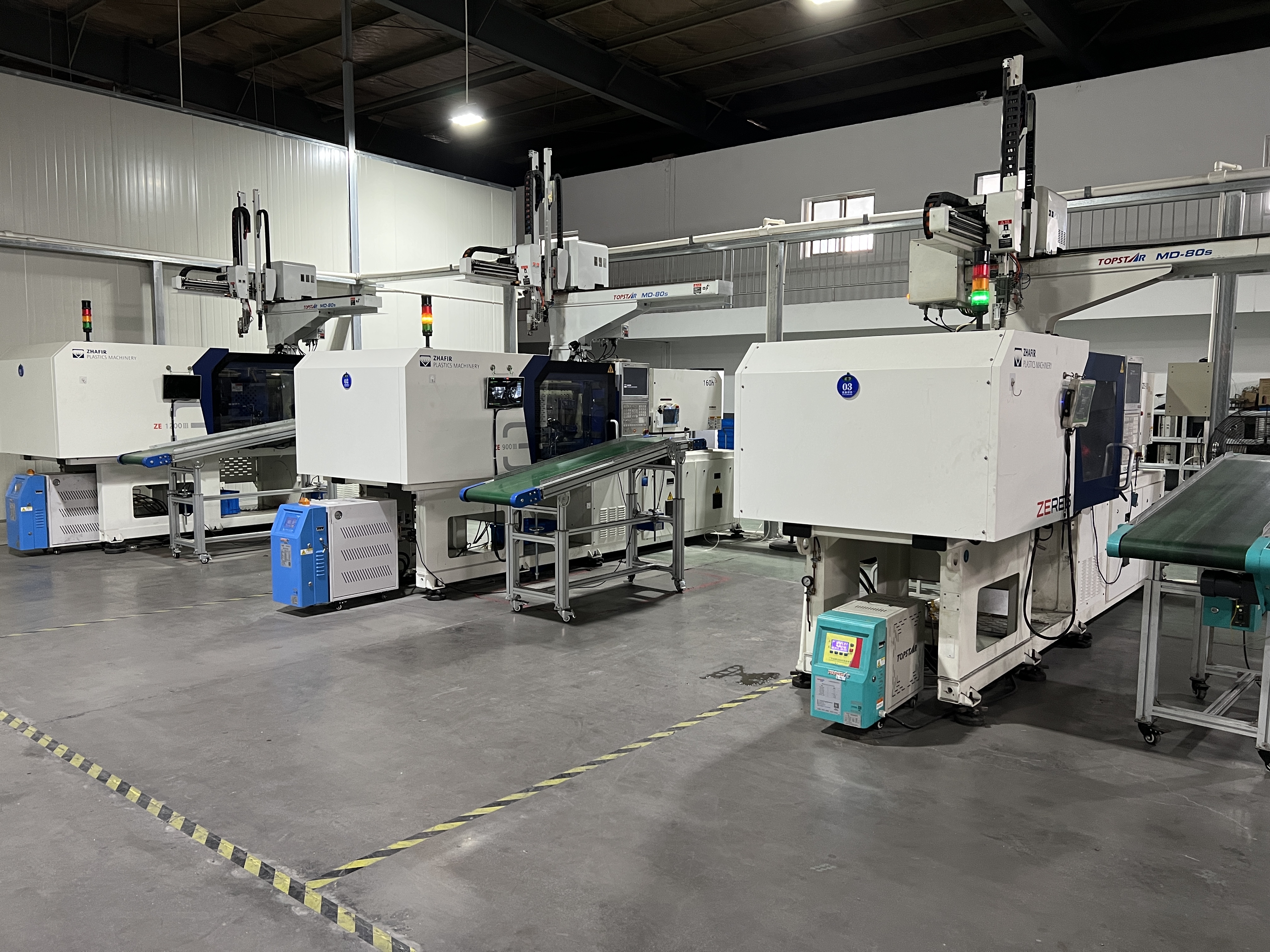
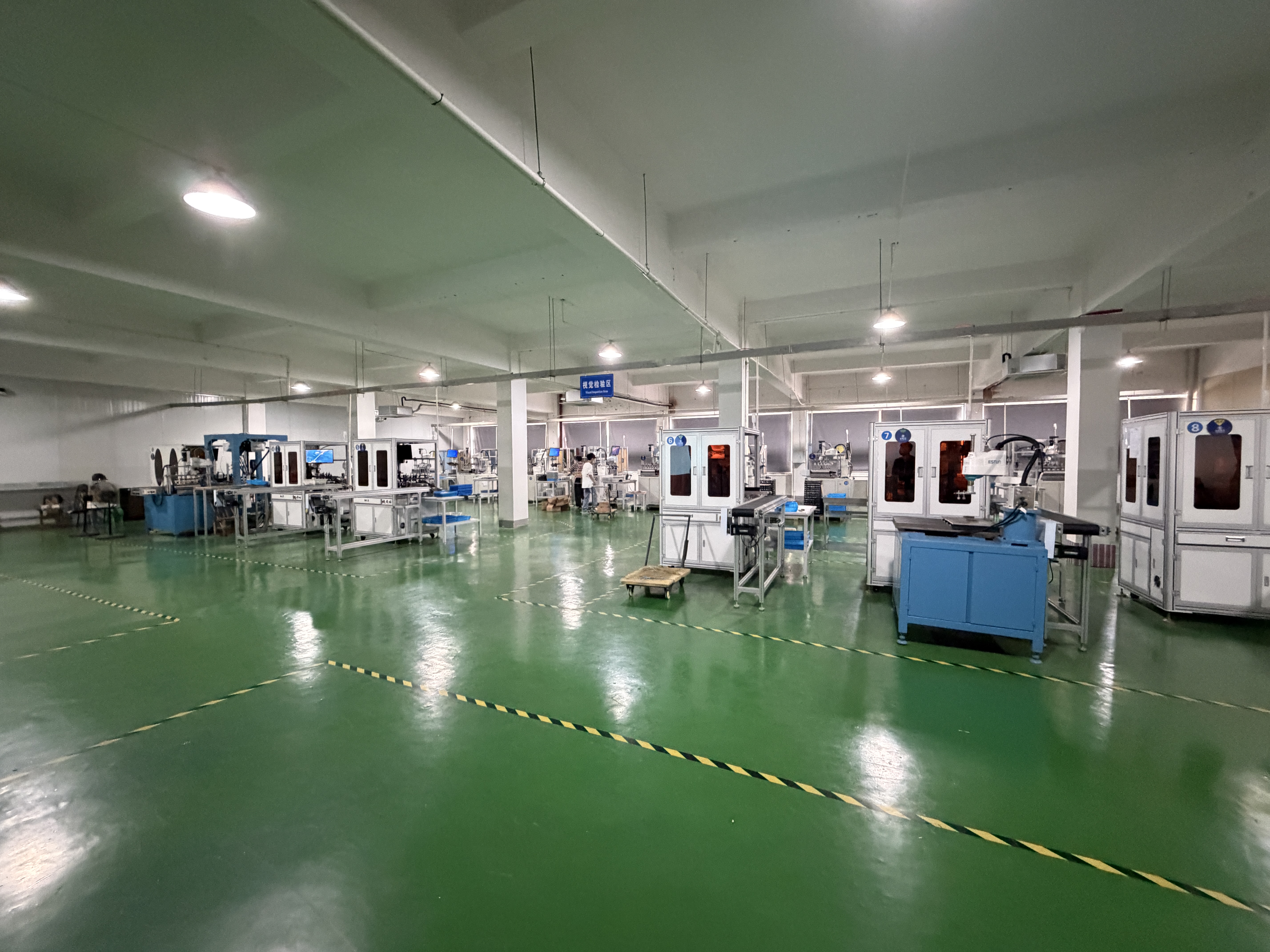
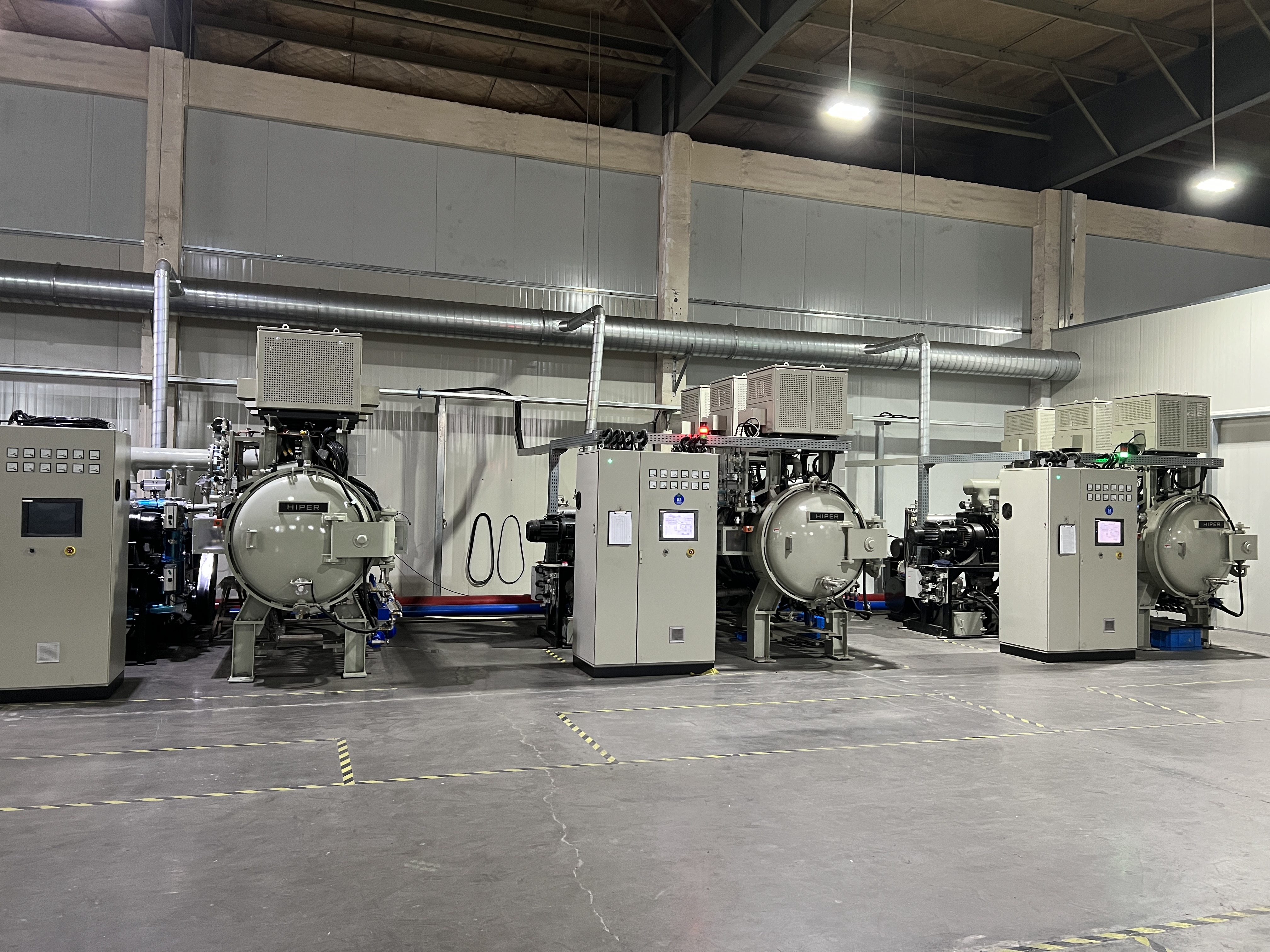
At SUMTHIN, we operate an in-house MIM facility that produces over 2 million parts per month. While our core business is clipper and trimmer blades, our MIM capabilities extend to any industry requiring complex metal components with tight tolerances.
This guide covers 50+ real-world MIM applications across six major industries — with specific materials, typical tolerances, and why MIM is the optimal manufacturing method for each.
What Makes MIM the Right Choice?
Before diving into specific applications, here is why engineers choose MIM over CNC machining, investment casting, or stamping:
- Complex geometry in one shot — undercuts, internal channels, thin walls (0.3mm+) that would require multiple CNC setups
- 40-60% lower unit cost than CNC machining at volumes above 5,000-10,000 pieces
- Near-wrought mechanical properties — 96-99% theoretical density after sintering
- Wide material selection — stainless steels (316L, 17-4PH), iron-nickel alloys, low alloy steels, titanium
- Tight tolerances — ±0.3% to ±0.5% as-sintered, tighter with secondary machining
- Excellent surface finish — Ra 0.8-1.6 µm as-sintered, mirror polish achievable
For a detailed look at how the MIM process works step-by-step, read our guide: How Clipper Blades Are Made: MIM Process [18 Steps].
1. Automotive MIM Applications
The automotive industry is the largest consumer of MIM parts globally, driven by the need for complex, lightweight components at high volumes. MIM parts in modern vehicles include:
- Turbocharger vanes and actuator levers — 17-4PH stainless steel, must withstand 900°C+ exhaust temperatures. MIM achieves the complex airfoil geometry impossible to stamp.
- Fuel injector nozzles — 316L stainless steel, precision orifice holes ±0.02mm. MIM delivers consistent flow rates across millions of parts.
- Transmission gears and planetary carriers — Fe-2Ni low alloy steel, HRC 55-60 after heat treatment. MIM eliminates multi-step CNC gear cutting.
- Oil pump rotors and vane sets — Iron-based alloys, sintered to 7.3+ g/cm³ density. Complex lobe profiles produced net-shape.
- Shift lever components — 17-4PH for strength and corrosion resistance. Complex pivot geometry with integrated bearing surfaces.
- Sensor housings and brackets — 316L for engine bay corrosion resistance. Thin-wall designs (0.5mm) with snap-fit features.
- Door lock cylinders and actuators — Low alloy steel, HRC 45-55. Intricate pin-tumbler geometries impossible to stamp.
- ABS sensor rings (tone rings) — Iron-nickel alloys with precisely spaced teeth for magnetic pulse generation.
- Seatbelt mechanism components — 17-4PH for high strength-to-weight ratio. Safety-critical with 100% inspection requirement.
- Exhaust gas recirculation (EGR) valve parts — 316L or Inconel-type alloys for extreme heat and corrosion resistance.
2. Medical Device MIM Applications
Medical devices demand biocompatible materials, extreme precision, and consistent quality — making MIM an ideal manufacturing method. Common medical MIM parts include:
- Orthodontic brackets and archwire clips — 316L or 17-4PH stainless steel. MIM produces the complex slot-and-wing geometry at dental-grade surface finish. This is one of the highest-volume MIM applications globally.
- Surgical instrument jaws (laparoscopic) — 17-4PH for strength, mirror-polished. Intricate jaw profiles with integrated hinge features.
- Endoscopic biopsy forceps — 316L, miniature cup-and-jaw design at 2-3mm scale. MIM achieves the fine detail impossible to machine economically.
- Bone screws and anchors — Titanium (Ti-6Al-4V) for biocompatibility and osseointegration. Complex thread profiles and cannulated (hollow) designs.
- Dental implant abutments — Titanium or cobalt-chrome. Custom contour geometries matching patient anatomy.
- Hearing aid housings — 316L stainless steel, micro-scale parts weighing 0.1-0.5g. MIM excels at these tiny, complex components.
- Surgical stapler components — 17-4PH, HRC 40-45. High-volume disposable components where MIM cost advantage is decisive.
- Insulin pen mechanism parts — 316L for drug-contact biocompatibility. Click-adjustment mechanisms with tight dose accuracy.
3. Electronics MIM Applications
Consumer electronics drive MIM innovation, especially in miniaturization. Apple alone uses MIM for multiple iPhone components. Key electronics MIM applications:
- SIM card trays — 316L stainless steel, parts weighing 0.8-1.2g. Billions produced annually worldwide. MIM delivers the thin-wall ejector mechanism at sub-cent unit costs.
- Lightning/USB-C connector shells — 316L, precision dimensions for cable retention. Surface-finished to consumer product standards.
- Camera module brackets and frames — 17-4PH for rigidity. Holds lens stack alignment to within ±0.02mm.
- Fiber optic ferrules — Zirconia ceramic or 316L. MIM produces the precision bore (125.0 ±0.5µm) for fiber alignment.
- Watch cases, crowns, and buckles — 316L or titanium. Complex contours with high-polish finish for luxury brands.
- RF shielding cans — Copper-nickel or iron-nickel alloys. Thin-wall enclosures (0.3mm) for 5G antenna modules.
- Laptop hinge mechanisms — 17-4PH for fatigue resistance over 20,000+ open/close cycles. Complex cam profiles.
- Headphone driver housings — 316L stainless steel. Acoustic chamber geometry affects sound quality — MIM consistency ensures part-to-part uniformity.
4. Tools and Hardware MIM Applications
The tools and hardware industry benefits from MIM for components requiring high hardness, complex geometry, and moderate-to-high volumes:
- Lock cylinders and plug bodies — Low alloy steel, HRC 50-58. Complex pin-tumbler chambers produced net-shape. One of the earliest commercial MIM applications (1990s).
- Padlock shackles — 17-4PH or hardened steel, HRC 55-60. MIM achieves the U-shape with integrated locking notch in one piece.
- Power tool gears (planetary sets) — Fe-2Ni, HRC 55-62 after carburizing. MIM produces the involute tooth profile without gear hobbing.
- Ratchet mechanism components — Low alloy steel, HRC 45-55. Pawl-and-gear assemblies with precise engagement geometry.
- Wrench heads and socket adapters — Chrome-moly steel, HRC 50-55. Complex internal hex/torx profiles produced net-shape.
- Hinge components for folding tools — 17-4PH for fatigue resistance. Integrated pivot, detent, and lock features in one MIM part.
- Chainsaw sprockets — Low alloy steel, HRC 55-60. Complex tooth profile with integrated bearing bore.
- Pneumatic tool vanes — Iron-nickel for wear resistance. Precise vane profiles for air motor efficiency.
5. Consumer Products MIM Applications
MIM enables premium metal components in consumer products that would be prohibitively expensive with CNC machining:
- Eyeglass hinges (spring-loaded) — 316L or titanium. Barrel-and-spring mechanism at 3-4mm scale. MIM is the only cost-effective method for this complexity.
- Zipper pulls and fashion hardware — 316L, brass, or bronze. Complex brand logos and ergonomic shapes. Surface-plated for color (gold, gunmetal, rose gold).
- Luxury pen clips — 316L, mirror-polished or PVD-coated. Spring-tension clip with brand embossing.
- Jewelry clasps and toggle mechanisms — 316L or sterling silver. Intricate closure mechanisms at sub-gram weight.
- Kitchen appliance components — 316L for food-contact safety. Complex impeller and valve geometries for coffee machines, blenders.
- Bicycle derailleur components — Titanium or 17-4PH for strength-to-weight. Complex link and pivot geometries.
- Firearm components (triggers, hammers, safeties) — 17-4PH or 4140 steel, HRC 50-55. MIM delivers the complex geometry with consistent trigger pull weight.
- Sewing machine feed dogs — Hardened steel, HRC 55-60. Precisely spaced teeth with complex 3D curvature.
6. Grooming and Blade MIM Applications
This is our home territory. SUMTHIN has been manufacturing MIM grooming blades for 20+ years, and our blade business is what drives our MIM expertise across all other industries:
- Professional clipper blades — 440C or custom alloy, HRC 60-62. A5 detachable blades with 30+ teeth, complex cutting geometry, and guide rail features — all produced net-shape via MIM. View our clipper blades.
- Trimmer blades (T-blade, U-blade) — Hardened stainless steel. Precision edge geometry for zero-gap cutting at 0.0mm exposure. Browse precision blades.
- A5 detachable pet grooming blades — MIM powder metallurgy for HRC 60-62 hardness consistency across the entire blade. Sizes #3F through #40. See A5 blades.
- Razor blade cartridge frames — 316L stainless steel, sub-millimeter wall thickness with snap-fit features for blade retention.
- Livestock shearing combs and cutters — Hardened steel, 9-tooth and 13-tooth configurations with MIM-consistent hardness. View shearing blades.
- Electric shaver foil frames — 17-4PH for spring tension. Complex curved geometry with integrated snap mounts.
- Hair thinning blade mechanisms — Stainless steel, alternating tooth patterns with precise spacing for consistent thinning ratio.
- Blade adjustment mechanisms — Low alloy steel, cam-lever systems for clipper taper adjustment.
How to Determine if Your Part is Suitable for MIM
MIM is ideal when your part meets most of these criteria:
- Part weight: 0.1g to 200g (sweet spot: 1-50g)
- Geometry: Complex — features that would require 3+ CNC setups or multi-slide stamping
- Volume: 5,000+ pieces per year (MIM becomes increasingly cost-effective above 10,000)
- Material: Steel, stainless steel, or titanium (not aluminum — MIM is not suitable for aluminum)
- Tolerance: ±0.3% to ±0.5% acceptable (tighter achievable with secondary machining)
- Wall thickness: 0.3mm minimum, 10mm maximum (optimal: 1-6mm)
If your part is large (>200g), very simple geometry, or requires aluminum — CNC machining, die casting, or stamping may be better alternatives. See our MIM vs Other Manufacturing comparison table for a detailed breakdown.
Getting Started with Custom MIM Parts
If you have a part that fits the MIM profile, here is our process:
- Send us your drawing — CAD file (STEP, IGES, Solidworks), 2D drawing, or even a sketch with dimensions. We assess MIM feasibility within 48 hours.
- Material and process recommendation — Our engineers recommend the optimal MIM material based on your mechanical, thermal, and environmental requirements.
- Mold design and prototype — 15-20 business days for mold fabrication and first prototypes.
- Sample approval — We iterate on prototypes until dimensions, surface finish, and mechanical properties meet your specifications.
- Mass production — Up to 2 million parts per month capacity. In-line QC at every stage.